
University of Michigan · Since 1991
See the systembefore you change it.
The Center for Sustainable Systems develops the methods, models and metrics that connect energy, mobility, cities, food and water. We coined the term “sustainable systems” in 1997 — and we still work the way the name implies.
Select a node in the diagram to see how each system is studied, then follow it into the projects, publications and people behind it.
Hub
Sustainable Systems
- 1991
- Founded through a three-year competitive grant from the U.S. EPA
- 1997
- Year the Center coined the term “sustainable systems”
- 1,000+
- Publications produced by the Center
- 300
- Research projects conducted at the Center
Our approach
From life cycle to systems change
Systems analysis is a sequence, not a slogan. Each stage narrows uncertainty and widens the set of decisions the evidence can support.
01
Observe
Define the system boundary. Before anything is measured, the Center maps what is inside the system, what crosses its edges, and which decisions are actually on the table.
02
Analyze
Apply methods, models and metrics. Life cycle assessment and systems modeling turn a boundary into comparable evidence, including the trade-offs that single-issue analysis hides.
03
Transform
Translate evidence into use. Findings are published, taught and shared with policymakers, industry and the public so analysis reaches the decisions it was built for.
Impact in context
Field windows
Research areas are abstract until you see where they land. These are the contexts that shape the questions.

Mobility & Materials
Where materials end up
End-of-life is part of the system, not an afterthought to it.

Mobility Systems
Mapping battery trade-offs
Electrification moves impact upstream into materials and manufacturing.

Water Systems
Water as risk, not just resource
Infrastructure decisions carry climate exposure with them.

Food & Resources
The land behind the supply chain
Every product draws on land, water and energy at once.
Research areas
Five systems, one framework
Each area is studied with the same analytical spine, which is what makes cross-system comparison possible.
Existing state
- Energy
- Mobility
- Cities
- Food
- Water
Enhanced state
Sustainable Systems
Research mission
The CSS research team — faculty, research staff and students — works through four linked activities. Select one to see what it produces.
Develop dynamic models and sustainability metrics.
Transformation mechanisms
- Technology
- Design
- Behavior
- Markets
- Policy
Applied with stakeholders and collaborators across business, government, NGOs, the public and academia.
- 01Energy SystemsHow energy is generated, stored, delivered and used — analyzed across the full life cycle.
- 02Mobility SystemsVehicles, fuels, materials and travel behavior treated as one connected system.
- 03Urban Systems & Built EnvironmentBuildings, infrastructure and cities as long-lived stocks of material and energy.
- 04Food SystemsProduction, distribution, diet and waste linked to land, water and energy.
- 05Water SystemsWater supply, treatment, stormwater and climate risk across the network.
People & labs
The network that makes systems research possible
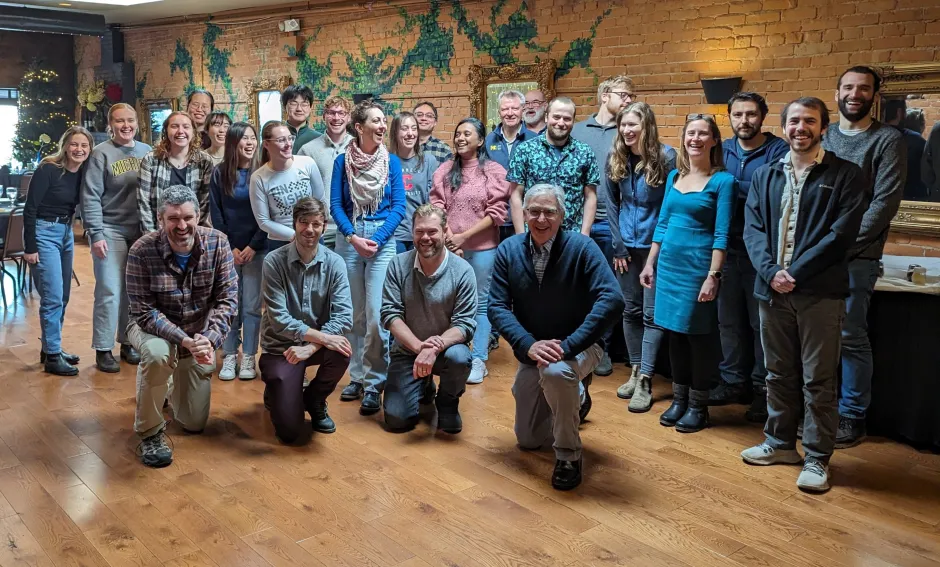
The Center is a connector: faculty, research staff and students working across the School for Environment and Sustainability and the wider university.
Co-Director, Professor
Gregory A. Keoleian
Co-Director, Professor
Shelie A. Miller
Resources
A library built to be used
Three ways into the Center's work, depending on how much depth you need right now.
Factsheets
Short, regularly updated briefs that summarize a system or technology in a few pages, written to be read by non-specialists and cited with confidence.
BrowsePublications
Peer-reviewed articles, reports and dissertations from Center faculty, staff and students. More than 1,000 publications have been produced by the Center.
BrowseData & Educational Materials
Teaching materials and supporting resources that make the Center's analytical methods usable in classrooms and practice.
BrowseWork with the Center